From Sleepy Fishing Village to Kerala’s Commercial Hub
Ernakulam wasn’t always the bustling commercial capital of Kerala. Once upon a time, this was just a quiet coastal town where the Arabian Sea gently lapped against its shores. Today, it’s a city that never slows down—always rushing, always busy, always growing.

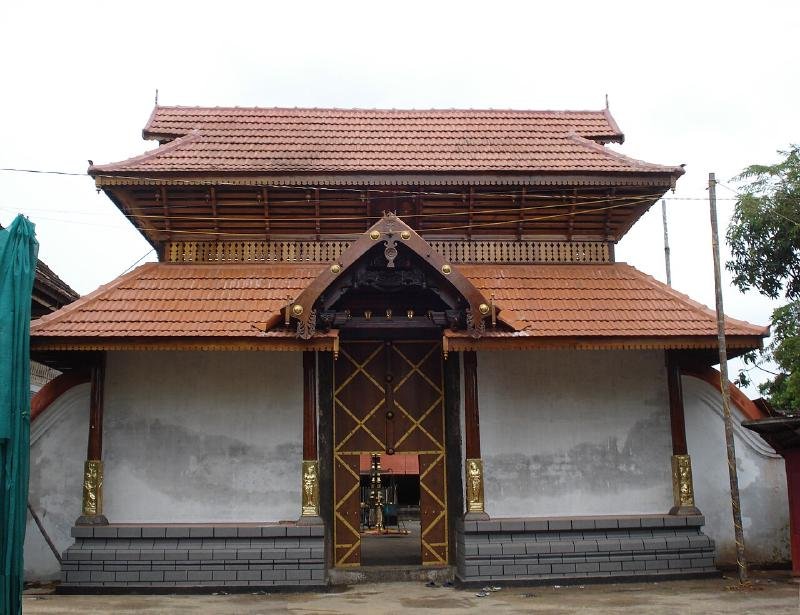
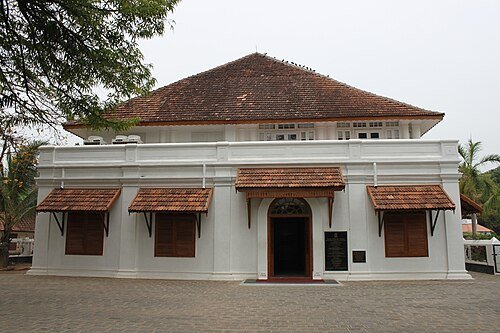
At the heart of this urban chaos stands an ancient temple that predates all the modern hustle. The Ernakulathappan Temple, dedicated to Lord Shiva, watches over the city from its prime location on Durbar Hall grounds. The locals consider Shiva here as the guardian deity—the father figure who protects Ernakulam and its people.
The Legend: When Arjuna Fought a Forest Hunter
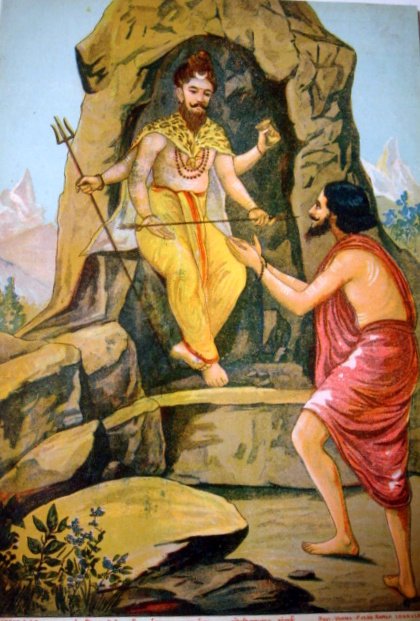
The temple’s origin story takes us back thousands of years to the time of the Mahabharata. The warrior prince Arjuna knew war with his cousins, the Kauravas, was inevitable. To prepare, he retreated deep into the forest to perform intense meditation and penance, hoping to earn Lord Shiva’s blessings and receive divine weapons. Shiva was impressed by Arjuna’s devotion. But the god had a playful side—he couldn’t resist testing his devotee. So, Shiva disguised himself as a Kirata (a tribal hunter from the forest), and his wife Parvati transformed into a Kirata woman. Together, they wandered near where Arjuna was meditating.
The Wild Boar Incident
Just as Arjuna looked up, annoyed at being disturbed, a massive wild boar charged into view. Without thinking, Arjuna grabbed his bow and shot. At the same moment, the disguised Shiva also released an arrow. Both arrows struck the boar, which collapsed and died—revealing itself to be the demon Muka in disguise.
The hunter smiled at Arjuna. “Lucky I was here to save you from that demon.” Arjuna bristled. This forest dweller had not only interrupted his prayers but now had the audacity to claim credit for his kill.
“That was my arrow that killed it,” Arjuna shot back. The argument escalated quickly. The Kirata suggested they settle it with a duel. Arjuna—confident he was the world’s greatest archer—smirked and agreed.
The Duel No One Could Win
What followed was an epic battle. Arjuna unleashed his full arsenal of skills. Arrows flew like rain. Dust storms swirled. The gods themselves watched in amazement at the display of archery. But through it all, the Kirata stood calm and smiling, completely untouched. He effortlessly countered every attack with casual elegance, seemingly content to let Arjuna tire himself out. Frustrated and exhausted, Arjuna called for a break. The hunter agreed.
The Flowers That Disappeared
During the break, Arjuna shaped wet clay into a Shiva Lingam and began worshipping it earnestly. He offered garlands and flowers to the sacred symbol, praying for strength. Something strange happened. Every garland he placed on the Lingam vanished. Every flower disappeared.
Then he heard laughter. Turning around, Arjuna saw his offerings adorning the Kirata hunter. The garlands, the flowers—everything he’d offered to Shiva now decorated the tribal man standing before him.
In that moment, realization struck like lightning. The hunter was Lord Shiva himself. Arjuna immediately fell at their feet. Shiva and Parvati revealed their true forms, blessed him, and gave him the Pashupata, Shiva’s own divine weapon. Having completed their cosmic prank, the divine couple departed, leaving behind a blessed but humbled warrior.
The Lost Lingam and the Cursed Boy
Arjuna eventually left too, and the clay Lingam he’d made lay forgotten in the forest, slowly getting buried under mud and leaves. Centuries passed. The sacred spot became lost to time. Then came Devala, a boy who angered a powerful sage and received a terrible curse—his body was transformed into that of a snake. Driven from his village, the boy-turned-serpent dragged himself into the forest where he discovered the forgotten Lingam hidden beneath layers of earth and vegetation.
Rishi Nagam: The Snake Sage
Devala cleaned the sacred symbol and began worshipping it daily with complete devotion. The locals who spotted him were terrified by his serpent appearance and tried to chase him away, but he refused to leave. When they observed he was performing sincere penance to Shiva, they began calling him Rishi Nagam, the Snake Sage. (Nagam means cobra or snake in Malayalam.) Moved by his unwavering devotion, Shiva and Parvati appeared before him. They blessed him and directed him to bathe in a nearby pond.
As Rishi Nagam entered the water, a miracle occurred. His human form was restored. And from the depths of the pond, another Shiva Lingam rose up, a swayambhu (self-manifested) Lingam that appeared spontaneously.
Birth of Ernakulam: The Pond That Never Runs Dry
Grateful villagers built a temple around both lingams. The self-manifested one that emerged from the pond was installed as the chief deity in the form of Gowrishankar (representing both Shiva and Parvati together). The original Lingam created by Arjuna was enshrined in a smaller sanctuary as Kiratamurthi, Shiva in his hunter form.
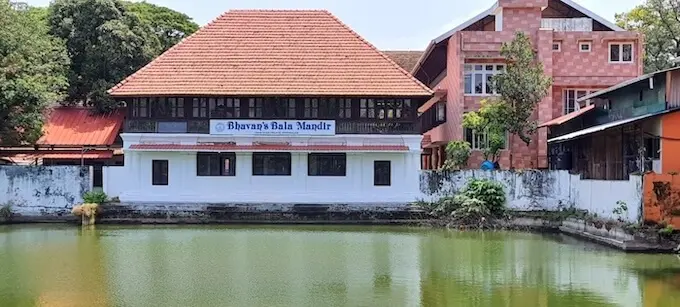
The pond was named Rishinagakulam, the Pond of Rishi Naga.
The temple gained such significance that it’s mentioned even in ancient Sangam literature, confirming its status as one of Kerala’s oldest places of worship.
How the City Got Its Name
When the Cochin Maharajas later moved from Fort Kochi, they built their palace near this sacred site and renovated the temple extensively. It became the nagara devta, the official guardian deity of the growing town.
The pond had a remarkable quality: it remained full of water even during the harshest summers. Locals called it “edhe naalum kulam”, the pond with water always. Over time, this phrase evolved into “Ernakulam.”
And the deity? He became known as Ernakulathappan—the Father of Ernakulam, the eternal guardian of the city.
Visit Ernakulathappan Temple Today
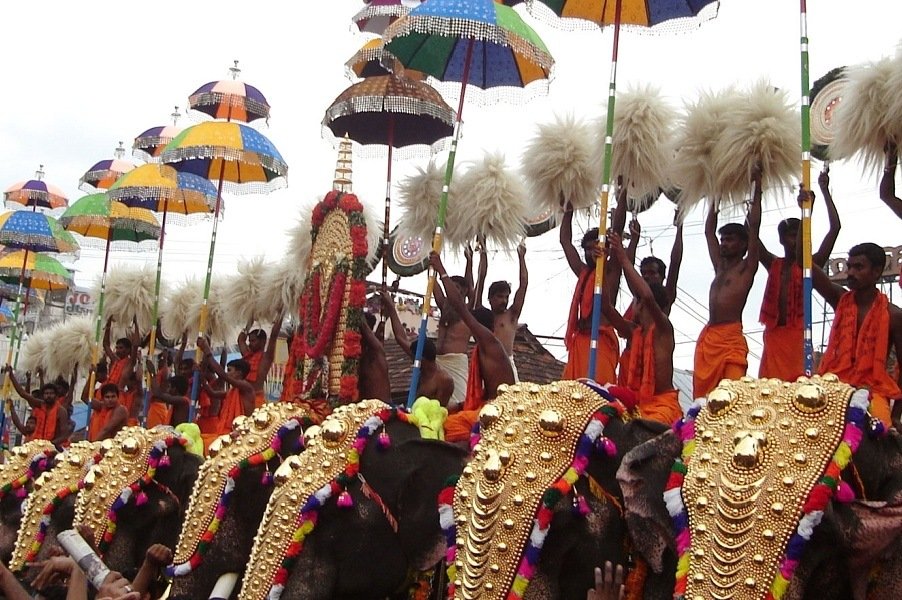
Today, the temple stands as a serene spiritual oasis amidst Ernakulam’s urban chaos. The evening oil lamps that line its outer walls create a mesmerizing glow against the night sky. Whether you’re a devotee, a history buff, or a traveler seeking authentic Kerala culture, this ancient temple offers a timeless connection to India’s mythological heritage. The pond still exists, bearing witness to centuries of faith. The lingams still receive worship. And somewhere in the stone and ritual, you can almost hear the echo of arrows flying and a god’s laughter as he tests the pride of the world’s greatest archer.
🙏 Namaste