An archaeologist with a mythic name. A banker attacked in broad daylight. And a shadowy network stirring once again. The sequel to The Kumbh Conspiracy begins.
A rain-drenched Greater Coucal declares war on a camera lens and loses spectacularly.
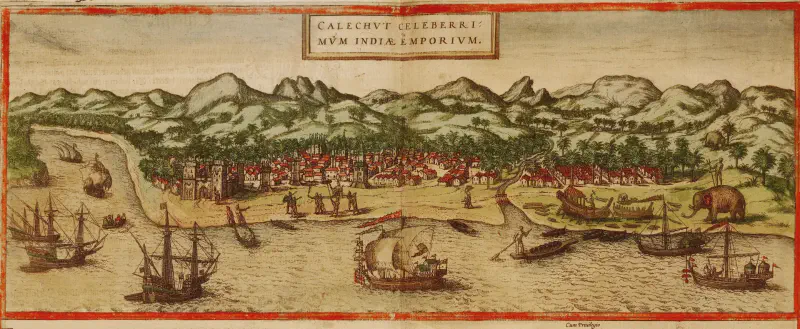
Before Goa was beaches and sunsets, it was a wager placed on shifting tides. A warlord’s whisper, a general’s gamble, and a port that no one meant to take became the heart of an empire that would refuse to leave for five hundred years.
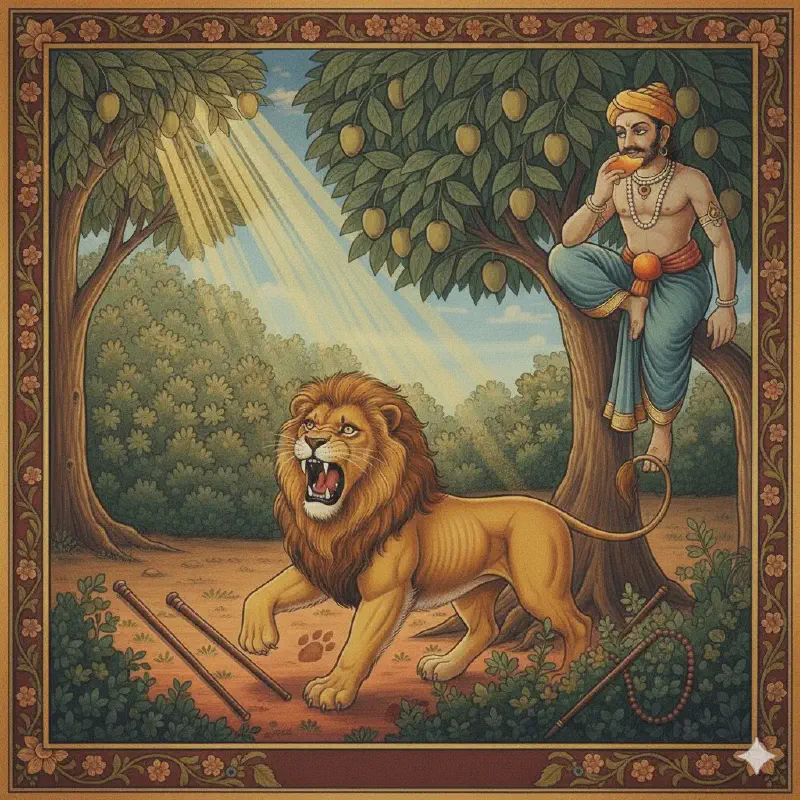
Three brilliant scholars resurrect a lion to prove their mastery. The one friend with no special learning climbs a tree instead. When the lion awakens, only common sense survives.
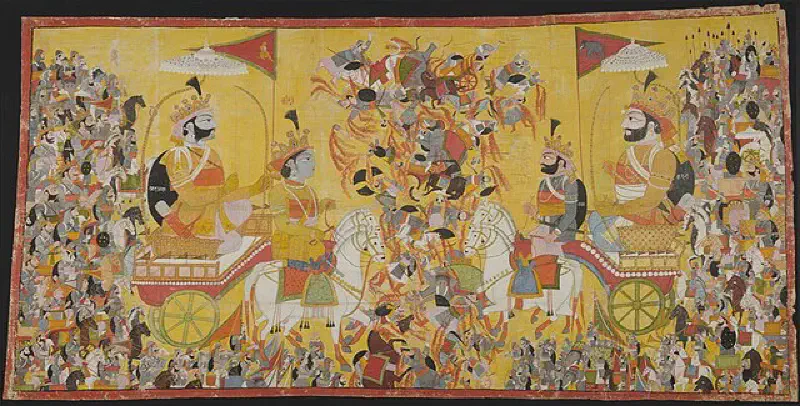
At dawn before battle, Karna breaks under the weight of Abhimanyu’s death. In a quiet, devastating exchange with Krishna, he confronts the anger and envy that led him away from dharma—and into unforgivable choice.
On the quiet banks of the Sarayu, as Rama departed for exile, a moment of unintentional exclusion became a lesson that echoes across centuries. In this forgotten Ramayana legend, a group left unnamed chose devotion over assumption, waiting fourteen years for a word that never came. When Rama returned and realized what his silence had caused, his response transformed absence into recognition and devotion into legacy. This story is not about war or triumph, but about leadership, humility, and the sacred responsibility of inclusion. It reminds us that true greatness lies not in authority, but in the courage to see those standing at the margins and to call them in, fully and deliberately.
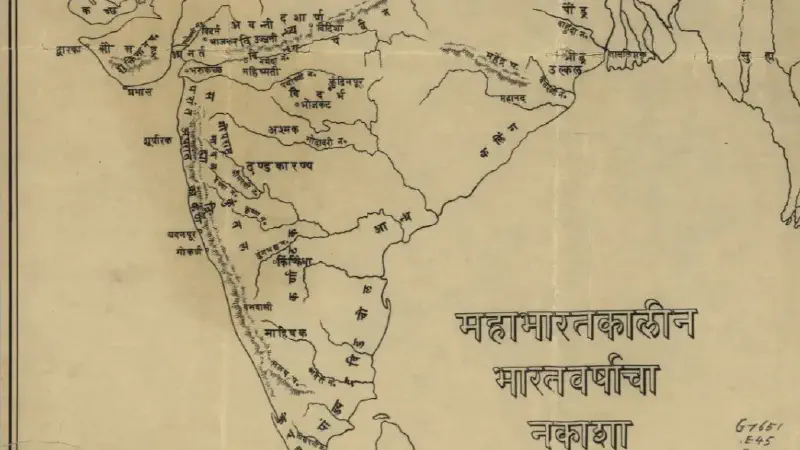
The Mahabharata is not merely an epic of war and destiny, but a vast civilizational map etched across rivers, kingdoms, forests, and mountains that still exist today. From Hastinapur on the banks of the Ganga to the plains of Kurukshetra, from the grandeur of Indraprastha to the submerged legends of Dwarika, the epic moves through landscapes that continue to breathe in modern India. Drawing from the Digvijaya Parva and supported by archaeology, folklore, and textual study, this exploration journeys through the nine regions described in the epic and examines how memory, history, and mythology intersect. The Geography of the Mahabharata invites us to see the epic not just as sacred literature, but as a living record of a land whose stories are written into its soil.
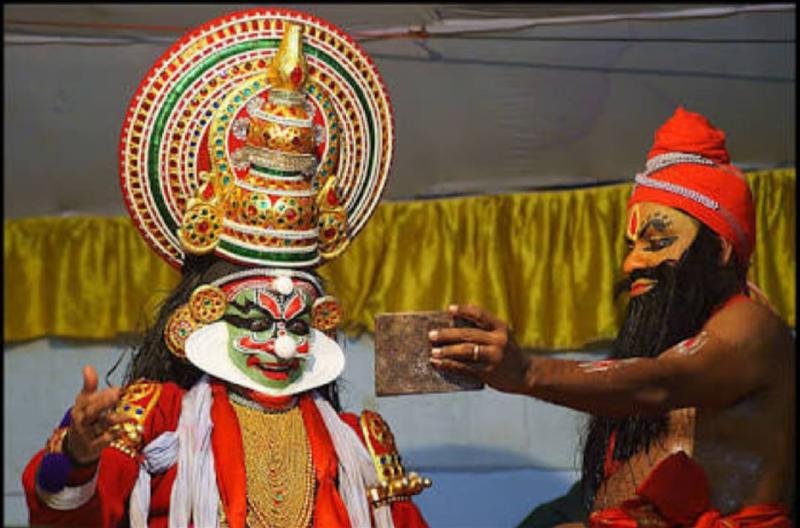
The Mahabharata lives not only on battlefields and royal courts, but also in forests where shadows listen and magic breathes. In this retelling from Kerala, the epic takes on a darker hue, shaped by the land’s long association with sorcery, ritual, and moral reckoning.The Sorcerer’s Shadow unfolds in the shadowed slopes of the Western Ghats, where Duryodhana’s desperation leads him to a reluctant forest sorcerer who can command darkness itself.
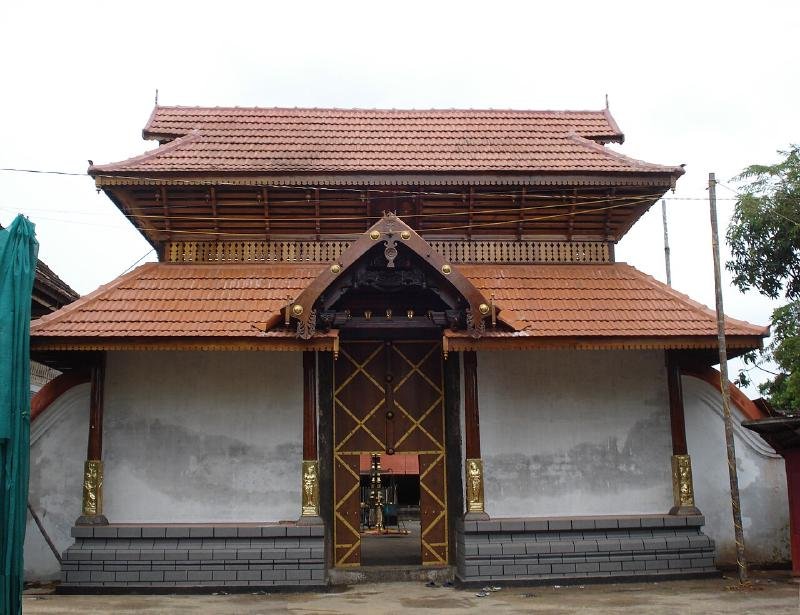
A modern city built around an ancient secret. This piece traces Ernakulam’s transformation from a quiet coastal village to Kerala’s commercial heart, anchored by the timeless presence of Ernakulathappan Temple. From Arjuna’s legendary duel with Shiva in disguise to the miracle of a pond that never runs dry, this is a journey through myth, memory, and the sacred roots of a city that never sleeps.